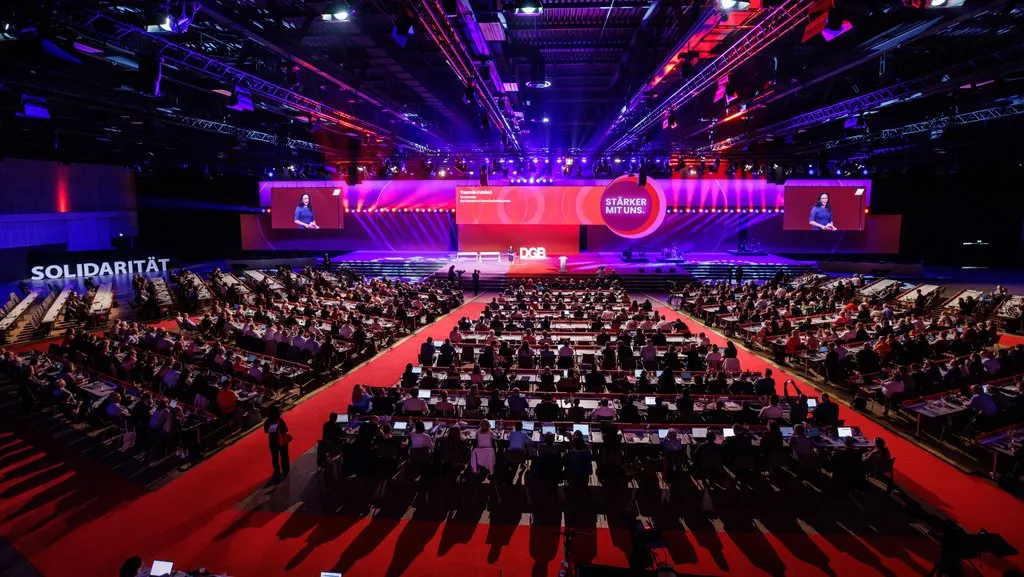
From Sunday to Tuesday, 10–12 May 2026, Foad Keykhosravi, chair of the board, and Peyman Shajirati, board member of the Iran Labor Confederation Abroad, took part in the congress of the German Trade Union Confederation (DGB) in Germany, following an official invitation from the DGB.
On the sidelines of the congress, held in Berlin, a series of meetings and discussions took place with several prominent trade union leaders and representatives from different regions of the world. These meetings focused on the situation of workers in Iran, especially in the post-war period, as well as the need to expand international solidarity, build sustainable channels of communication, and develop joint forms of cooperation.
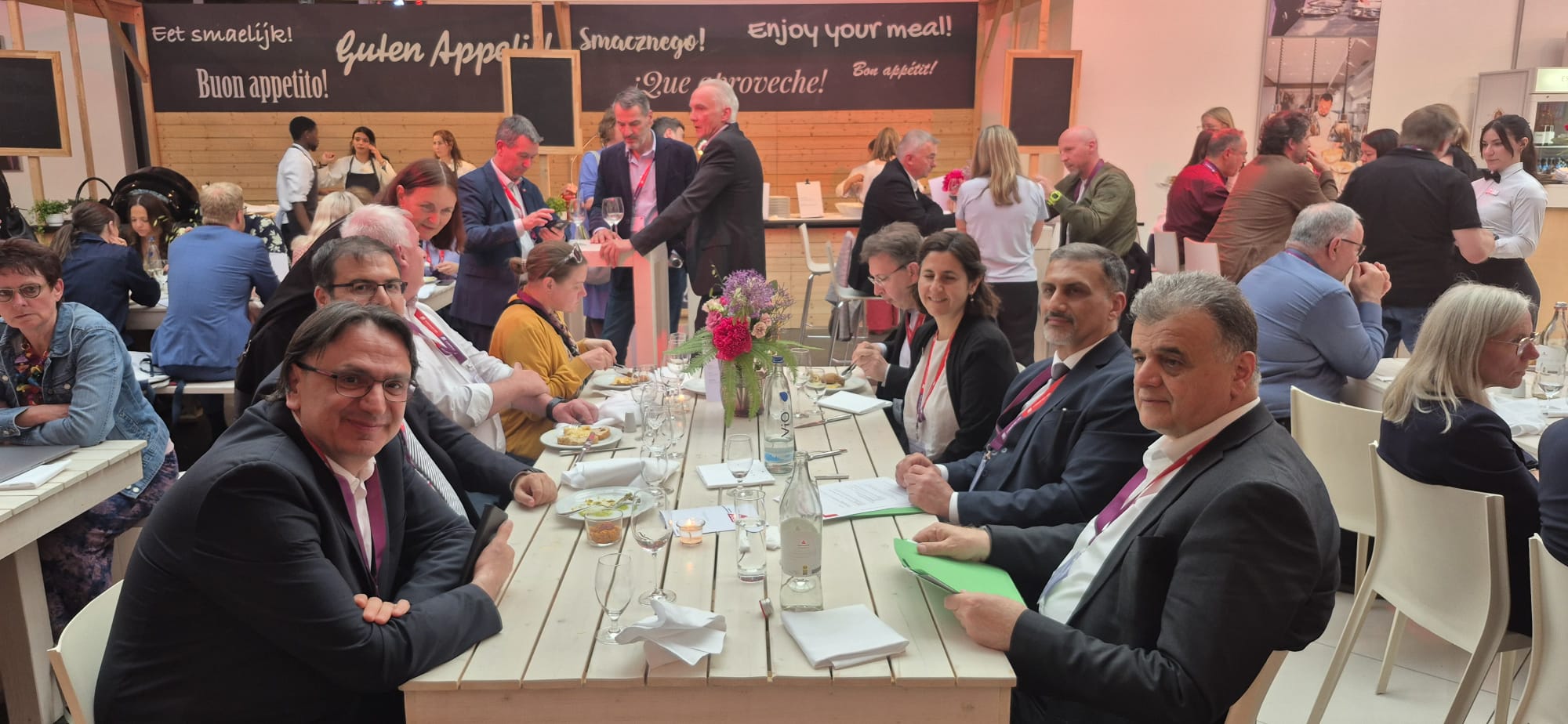
In a meeting with Shaher Saed, Secretary-General of the Palestine General Federation of Trade Unions, a report was presented on the situation of workers in Iran. The discussion covered the deepening livelihood crisis, declining job security, the spread of temporary and subcontracted work, restrictions on independent organising, and pressure on workers pursuing their basic demands.
It was emphasised that Iranian workers are not only facing an economic crisis, but also structural obstacles in collectively defending their fundamental rights. This makes the creation of regular communication channels, mutual support, and organised relations among labour activists even more urgent.
Shaher Saed also described the difficult conditions faced by Palestinian workers under war, occupation, and economic pressure. He expressed concern over the situation of workers in Iran and stressed the importance of joint relations and coordinated action in defence of workers’ rights.
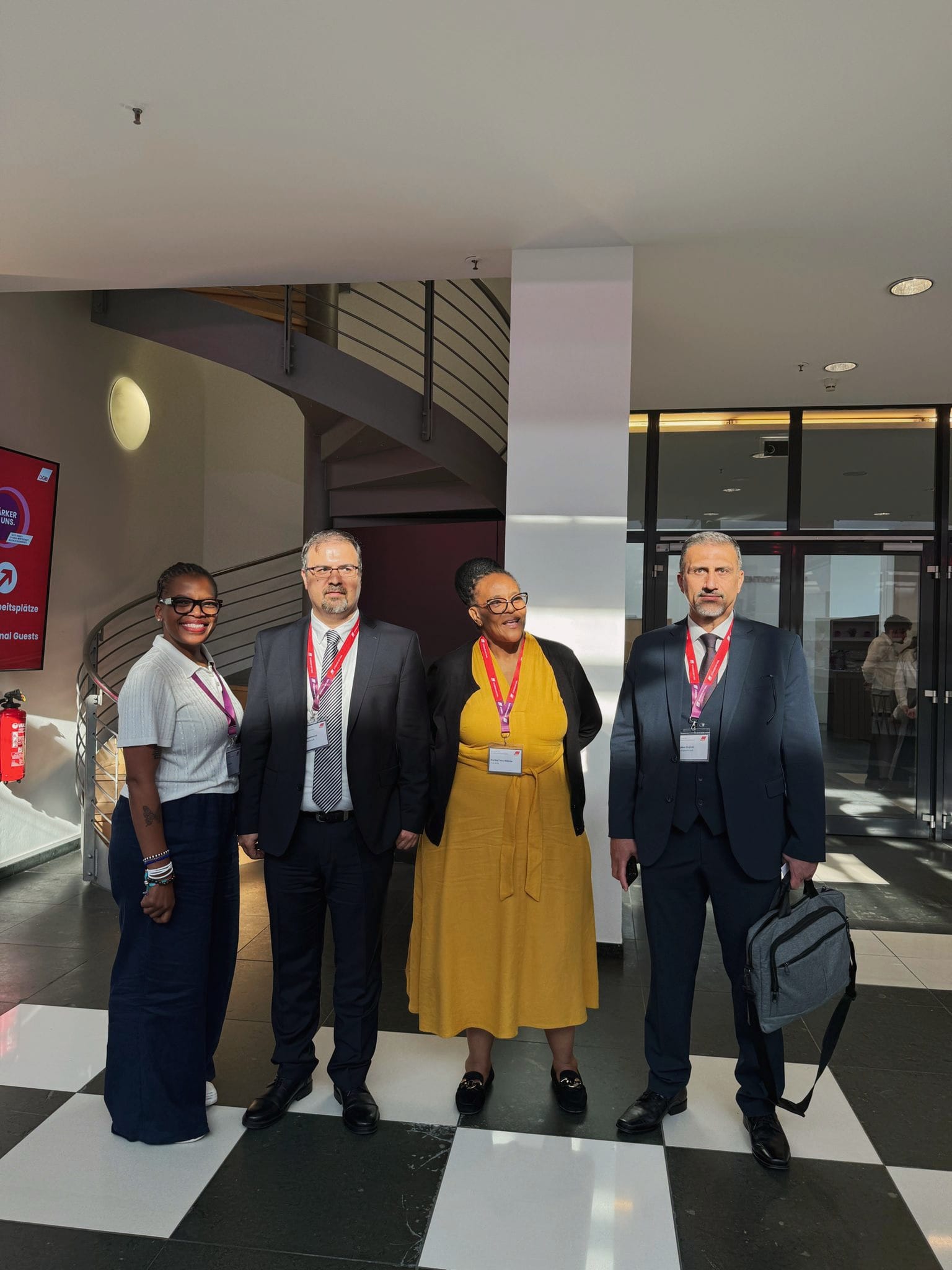
In a meeting with Vanza Nunes, secretary of Argentina’s UTEDYC union, discussions focused on the destabilisation of labour, economic pressure, and the importance of trade union independence in resisting the erosion of workers’ rights. The representatives of the Iran Labor Confederation Abroad described the situation of workers in Iran and the growing pressures on their livelihoods and job security. Both sides underlined the need to expand links between Iranian and Latin American labour activists in order to exchange experiences and strengthen mutual support.
In a meeting with Adams Sospeter of Kenya’s Micro and Small Enterprises Authority Union (MSEA), attention was given to the challenges faced by workers in informal sectors, economic insecurity, and the pressures imposed on workers in unequal economies. Referring to the experience of Iranian workers, the discussion highlighted the importance of labour solidarity, the development of communication networks, and stronger links between formal and informal workers in confronting structural exploitation.
Francis Atwoli, from the Central Organization of Trade Unions in Kenya (COTU), also stressed in a separate meeting the role of trade unions in defending social justice, fundamental labour rights, and resisting policies that weaken the workforce. During this meeting, the situation of workers in Iran was outlined, and both sides emphasised the need for mutual support, stronger bilateral relations, and continued joint cooperation at the international level.
In a meeting with Lizaveta Merliak of the Belarusian independent trade union network Salidarnast, the main focus was the repression of independent organisations, security pressure on labour activists, and the importance of preserving independent organising under authoritarian conditions. The similarities between the experiences of workers in Iran and Belarus were highlighted, particularly in relation to restrictions on union organising, pressure on activists, and the need to secure global support. Both sides stressed the importance of maintaining regular contact, exchanging experience, and strengthening solidarity.
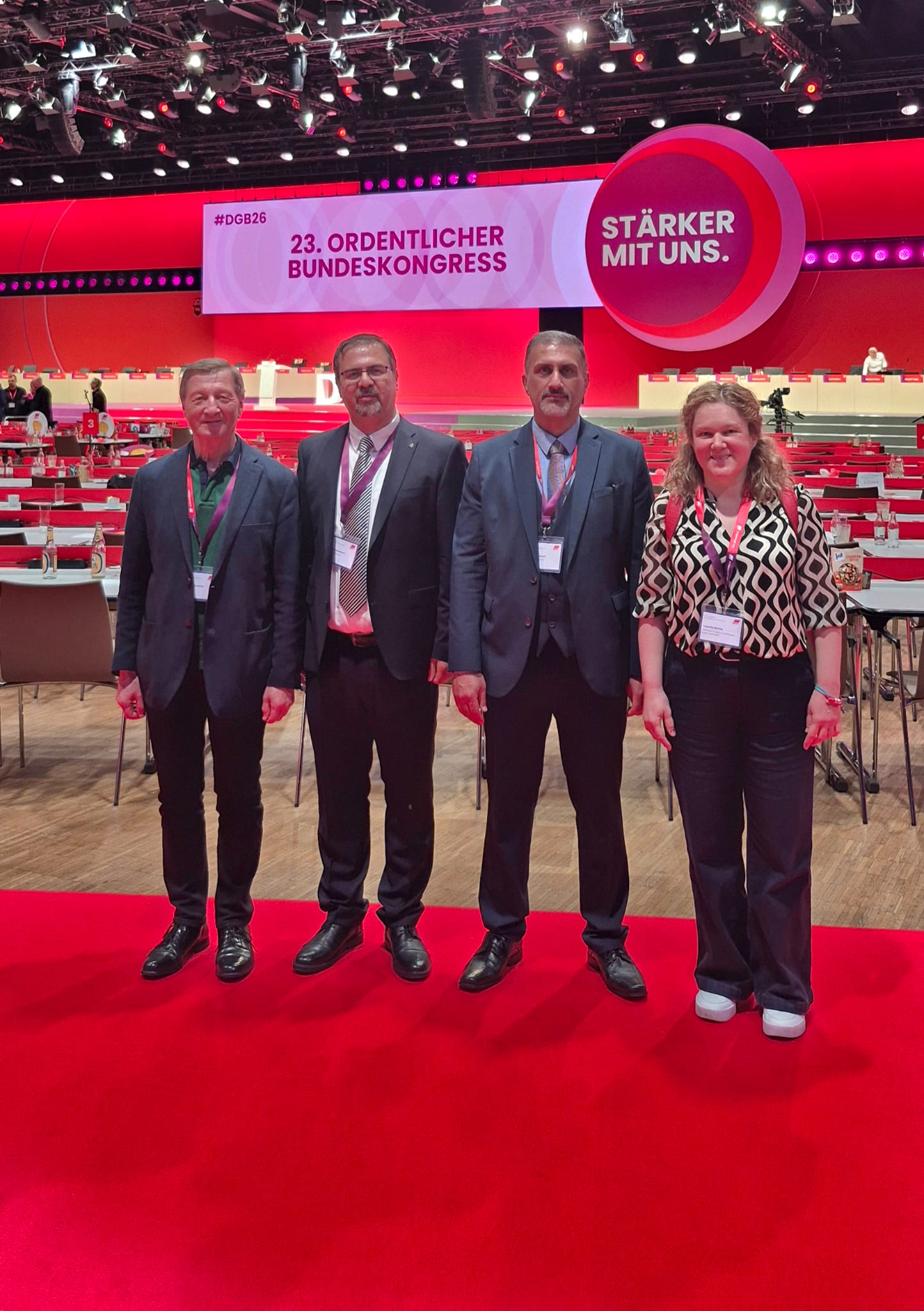
Another meeting was held with Aliaksandr Yarashuk, one of the leading figures of the independent labour movement in Belarus and president of the Belarusian Congress of Democratic Trade Unions (BKDP). The discussion focused on the structural repression of independent unions, security pressure, and the experience of organising under severe restrictions.
A report was presented on the situation of workers in Iran, including economic pressure, restrictions on independent union activity, the repression of labour activists, and the growing destabilisation of work. Drawing on the Belarusian experience, Yarashuk emphasised the importance of solidarity, maintaining independent networks, documenting violations of labour rights, and building links between workers under pressure in different countries. The meeting underlined the value of exchanging experience between independent labour movements operating under repression, and the importance of international support in keeping workers’ voices alive.
During these days, meetings and productive discussions were also held with Kemal Özkan, Assistant General Secretary of IndustriALL Global Union, and Luc Triangle, General Secretary of the International Trade Union Confederation (ITUC).
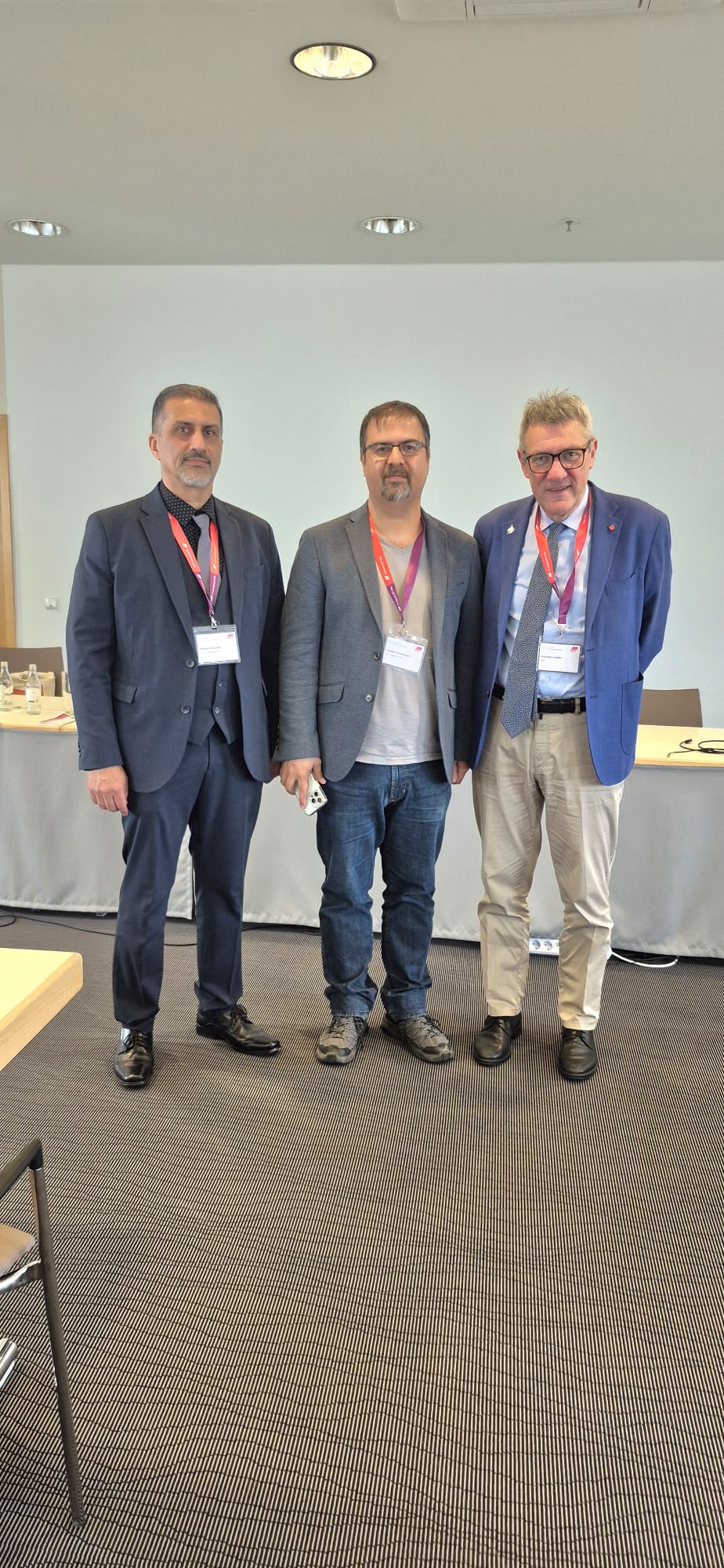
In another event, representatives of the Iran Labor Confederation Abroad met with Maurizio Landini, General Secretary of Italy’s General Confederation of Labour (CGIL), to discuss the situation of workers in Iran and the continuation and strengthening of effective joint cooperation with the confederation.
Taken together, these meetings showed that although the political, economic, and geographical conditions of each country are different, workers in many parts of the world face common challenges: job insecurity, the weakening of social protections, economic pressure, restrictions on organising, and the repression of independent demands.
In this context, building sustainable connections, expanding organised solidarity, exchanging experience, and pursuing joint cooperation between trade unions and labour activists have become more essential than ever for defending the dignity, security, and fundamental rights of workers.