Ahead of the 114th annual session of the International Labour Conference, the Iran Labour Confederation Abroad has issued a letter addressed to trade unions around the world, workers’ delegates, global union federations, national confederations, permanent missions of ILO member states in Geneva, and institutions linked to the International Labour Organization. The letter calls for the launch of a formal complaint process against the Islamic Republic of Iran.
The letter has been published on the eve of the ILO’s most important annual gathering, where governments, employers, and workers’ representatives from member states discuss and decide on fundamental labour standards, freedom of association, the right to collective bargaining, workplace safety, discrimination, child labour, and other basic rights of the workforce.
The proposed complaint should proceed through the ILO Committee on Freedom of Association, Article 26 of the ILO Constitution, and, if the Islamic Republic continues to defy its obligations, Article 33. The letter stresses that this is not an administrative dispute between a state and international institutions. It is a case concerning the organised repression of Iran’s working class, the denial of the right to independent organisation, the criminalisation of strikes, the killing of protesters, structural discrimination, forced labour, child labour, and the deaths of workers in unsafe workplaces.
The Root of the Crisis: Denial of Independent Organisation
The central issue in the letter is freedom of association and the right to collective bargaining. The Iran Labour Confederation Abroad argues that every major labour crisis in Iran goes back to one structural deprivation: workers are not allowed to organise freely, form unions, choose their real representatives, or pursue their demands through strikes and collective bargaining.
The Islamic Republic has not ratified ILO Conventions 87 and 98. This refusal has become one of the main pillars of Iran’s anti-worker order. Islamic Labour Councils and the House of Labour do not represent workers independently. Instead, they function as state- and employer-aligned bodies, while presenting a false image of labour representation at the international level.
Under such conditions, the implementation of other ILO conventions also becomes impossible. When miners, nurses, teachers, drivers, oil workers, journalists, and construction workers have no right to organise, there can be no real monitoring of workplace safety, wages, discrimination, child labour, or forced labour. Iran’s Labour Law and security apparatus do not protect the workforce; they discipline and repress it. For this reason, freedom of association and collective bargaining cannot be realised under the Islamic Republic and its anti-worker legal framework.
Open Cases and the Failure of Ordinary ILO Mechanisms
The letter refers to Case No. 2566 before the ILO Committee on Freedom of Association. This case has remained open since 2006 and concerns the repression of teachers’ union activists, the arrest and sentencing of labour leaders, and violent attacks on strikes and International Workers’ Day gatherings.
Nearly two decades later, the ILO’s recommendations have not changed the behaviour of the Islamic Republic. Repression has not stopped; it has intensified.
The Iran Labour Confederation Abroad argues that the time has come for Iran’s case to move beyond ordinary supervisory procedures, as happened with Belarus. In the Belarus case, after repeated refusal by the government to implement the recommendations of the Committee on Freedom of Association, workers’ representatives filed a formal complaint under Article 26. The same path is now considered necessary for Iran, because the Islamic Republic has responded to recommendations, dialogue, and warnings with nothing but repression and denial.
The Dey 1404 Massacre and Its Direct Link to Labour
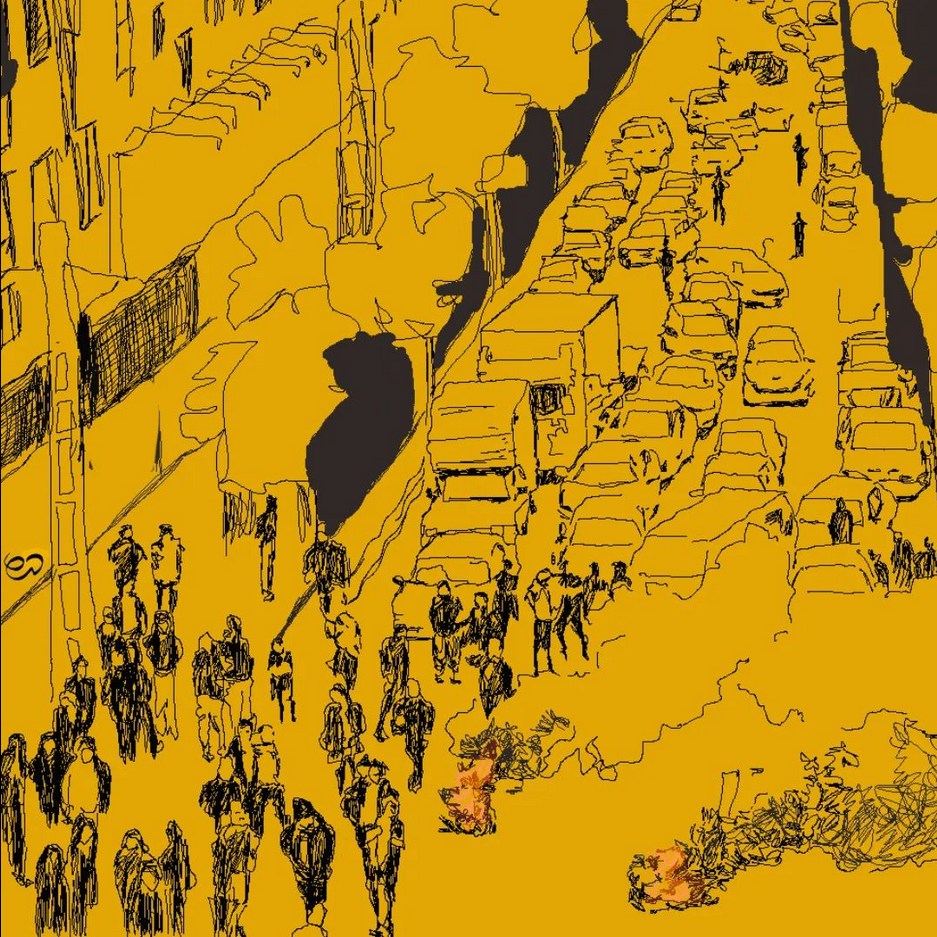
A major part of the letter focuses on the nationwide protests of Dey 1404, corresponding to late December 2025 and January 2026. According to the text, the protests began on 7 Dey 1404 and were rooted in the collapse of livelihoods, inflation, the fall of the rial, mass unemployment, and the complete failure of the government’s economic management. The authors describe these protests as an uprising of workers, wage earners, the poor, and the dispossessed, not as a protest limited to one social group.
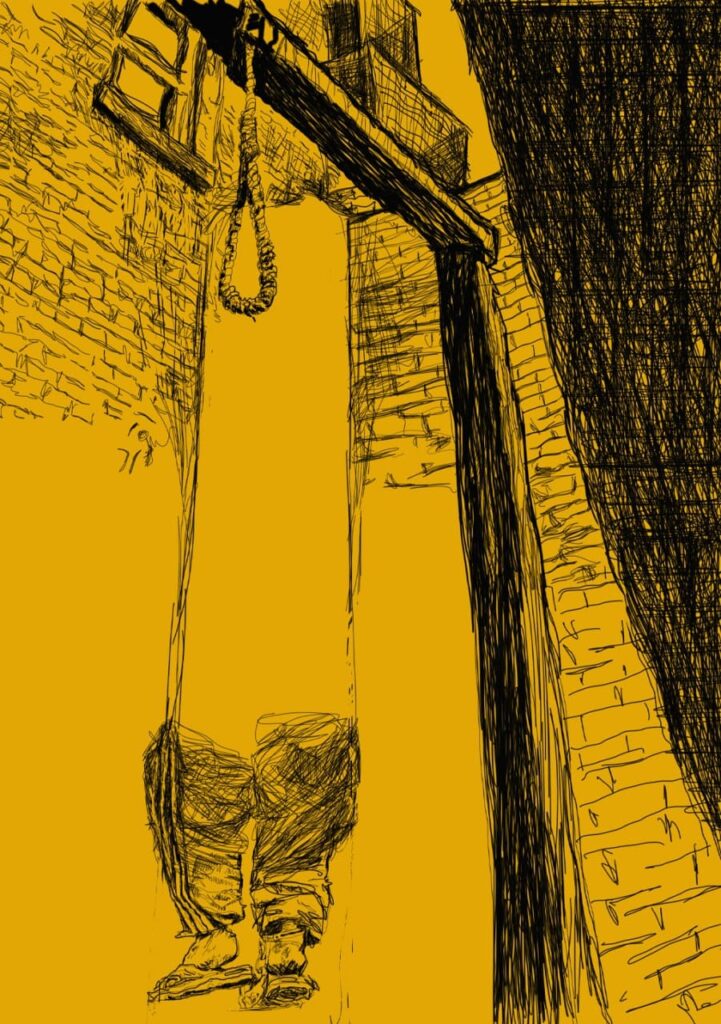
On 18 and 19 Dey 1404, forces from the IRGC, the police, and the Basij opened direct fire on protesters, causing a large-scale massacre. The letter refers to a complete shutdown of the internet and communications in order to hide the scale of the repression. It also cites reports that place the number of those killed at a very high level.
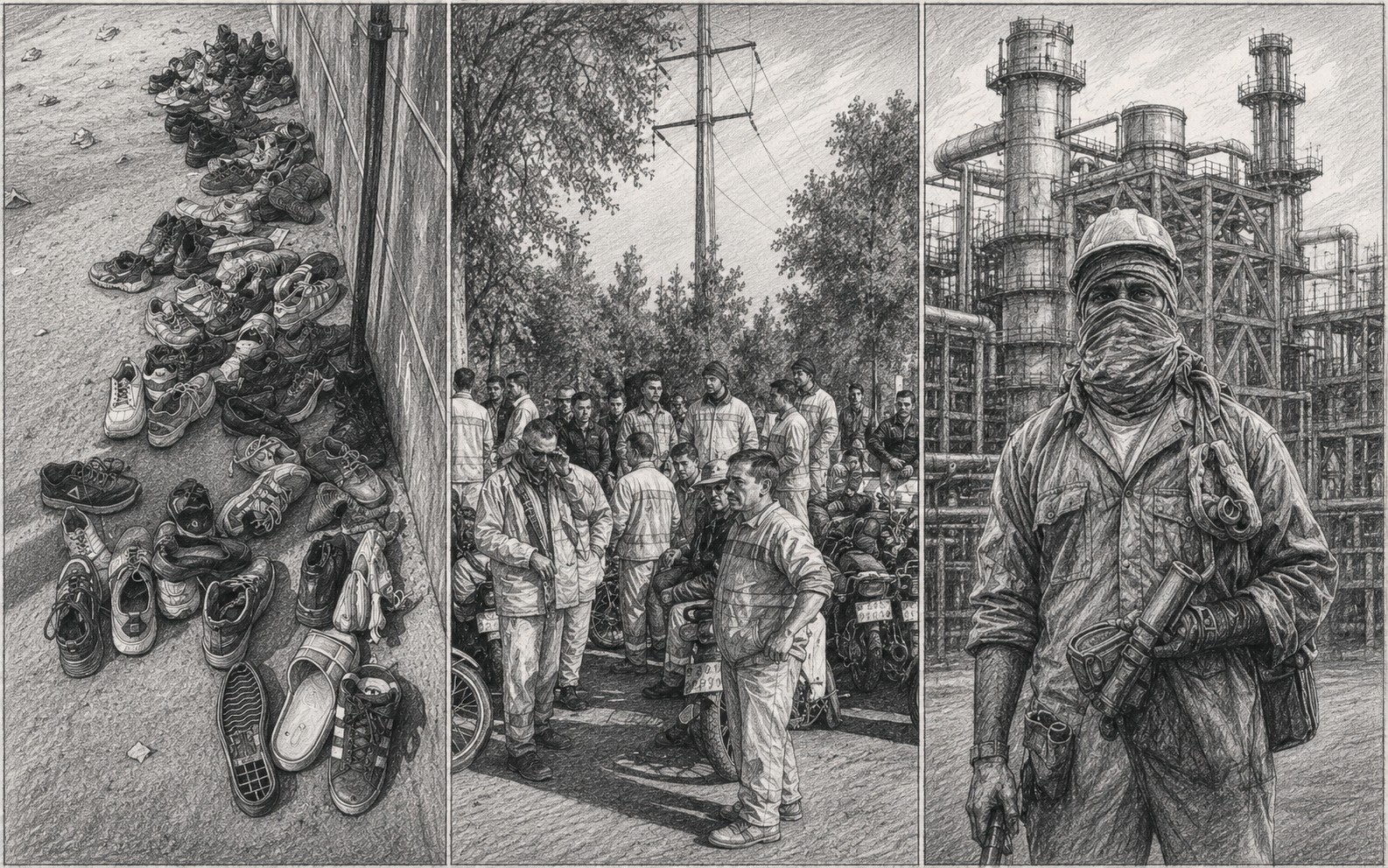
The letter states that the human rights organisation HRANA has confirmed at least 6,842 deaths, including 146 children, and more than 42,000 arrests. The Confederation also says it has prepared an initial list of around 500 wage earners killed during the crackdown. This list includes petrochemical workers, construction workers, teachers, nurses, drivers, factory workers, mechanics, shop workers, child labourers, retirees, and university professors.
This massacre cannot be separated from the labour question. Workers and wage earners who have no legal tools to defend themselves face the same state in the streets that denies them the right to organise and strike in factories, mines, schools, hospitals, and refineries. The absence of independent unions has left the working class exposed to poverty, job insecurity, repression, and death.
Violations of ILO Conventions: From Strikes to Workplace Safety
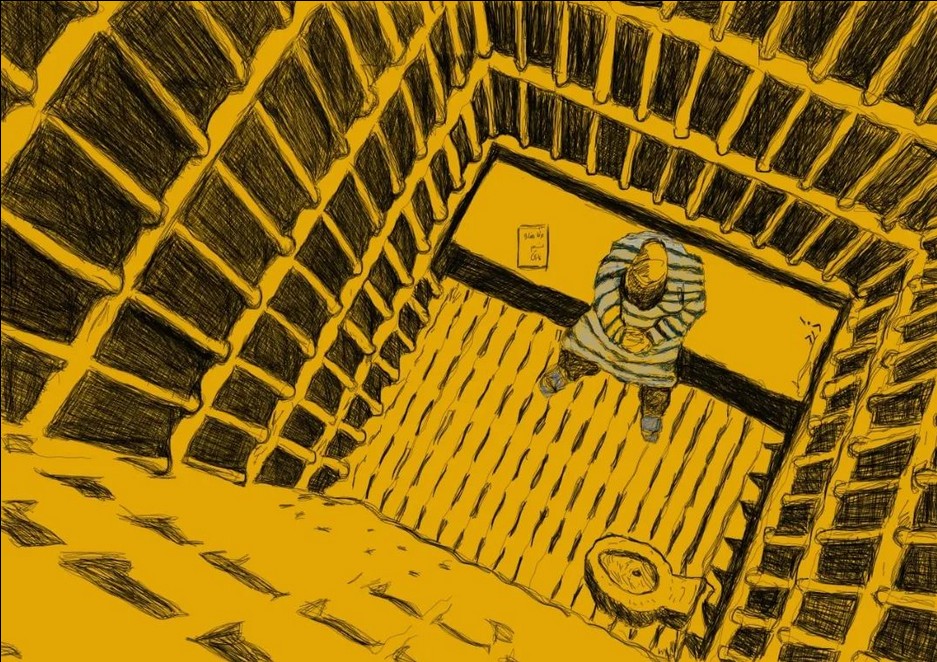
The letter lists a wide range of violations of ILO conventions. On freedom of association and collective bargaining, every independent effort by workers, teachers, nurses, drivers, and project workers has faced dissolution, dismissal, arrest, and heavy prison sentences. Strikes have effectively been turned into security offences. The state prosecutes work stoppages and protest gatherings under charges such as disturbing public order, propaganda against the system, or acting against national security.
On forced labour, the letter points to the use of political prisoners and labour activists as prison labour. On child labour, it refers to children working in waste collection, construction, agriculture, and street-based jobs, including cases involving children aged 8 to 12 under contracts linked to Tehran Municipality.
On discrimination, the letter highlights the situation of women, Baha’is, national and religious minorities, and queer people, all of whom are deprived of equal access to work through legal, administrative, and security mechanisms.
Occupational safety and health is another central part of the complaint. Iran has ratified Convention 155, yet workers continue to die in mines, ports, and workshops. The Tabas mine explosion, which killed 53 workers, repeated deaths in mines, and the explosion at Shahid Rajaee Port are cited in the letter as examples of systematic disregard for workers’ lives.
Without independent organisation, workers cannot stop dangerous work, make collective decisions about safety, or force employers and the state to accept responsibility.
Journalists, Nurses, and the 2024 Data
The letter stresses that journalism is also labour, and Iranian journalists are denied the right to independent professional organisation. The arrest of journalists, prison sentences, and pressure on the media form part of the broader case concerning violations of labour rights.
Nurses and healthcare workers are also treated as a potential organised workforce and have faced direct repression. Nurses’ strikes in the summer of 2024 were met with arrests, suspensions, forced transfers, and security pressure. During the Dey 1404 protests, a number of medical workers were also arrested for treating the wounded or refusing to hand patients over to security forces.
According to the Confederation’s 2024 annual report, at least 2,396 protest gatherings and 169 strikes were recorded across all 31 provinces and 70 cities in Iran. In some months, strikes by oil and gas project workers exceeded 85 cases. The state’s response to these protests was dismissal, arrest, imprisonment, and threats against activists and their families.
The Legal Path: CFA, Article 26, and Article 33
The Iran Labour Confederation Abroad proposes a three-stage complaint process.
The first stage is to strengthen or file a supplementary complaint before the Committee on Freedom of Association, focusing on events in 2025 and 2026, including the Dey 1404 massacre. This case should be treated as urgent because it concerns the lives and freedom of workers and labour activists.
The second stage is the use of Article 26 of the ILO Constitution. This article applies to conventions that Iran has ratified, including Convention 29 on forced labour, Convention 111 on discrimination, Convention 155 on occupational safety and health, and Convention 182 on the worst forms of child labour. The aim would be to establish a Commission of Inquiry. Such a commission would inevitably have to address the central role played by the denial of freedom of association in all these violations.
The third stage, if the Islamic Republic ignores the recommendations of a Commission of Inquiry, would be to pursue Article 33. This could call on ILO member states to review their economic relations and other forms of engagement with Iran.
Concrete Demands from the Global Labour Movement
The letter calls on global unions to file a new or supplementary complaint before the Committee on Freedom of Association; condemn the repression of strikes as a direct violation of fundamental labour rights; prepare an Article 26 complaint; challenge the credentials of the so-called workers’ delegation sent by the Islamic Republic to the International Labour Conference; place Iran on the agenda of the Committee on the Application of Standards; and establish a joint mechanism to document violations.
It also calls for support for the families of workers killed during repression, the release of imprisoned labour activists, the pursuit of cases involving journalists and nurses, and the immediate halt of death sentences against protesters.
This letter is a sign of pressure built through years of strikes, protests, repression, and hidden forms of organisation. Iran’s state-security capitalism wants the workforce cheap, silent, and fragmented. Islamic Labour Councils and the House of Labour were created for this purpose: to control workers, not to represent them.
Workers can force the state and employers to retreat only when they become an independent, organised force ready for collective action. Collective bargaining without the power to strike becomes a plea. Under the Islamic Republic, with its anti-worker laws and the securitisation of protest, this path is impossible within the current order.
Iran’s case must become an urgent issue for the global labour movement. Silence in the face of repression against Iranian workers weakens the right to organise and strike everywhere.